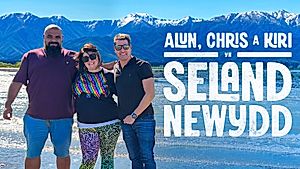
Mae'r cogydd Chris Roberts, y gomediwraig Kiri Pritchard-Mclean a'r cyflwynydd Alun Williams ar daith fythgofiadwy drwy Seland Newydd. Mae'r daith yn cychwyn yn Queenstown, tref yn Ynys y De sydd â chysylltiad annisgwyl â Chymru, cyn profi un o anturiaethau enwocaf y wlad, y Nevis Swing - ond faint fydd yn barod i roi cynnig arni' Yn Dunedin, mae'r tri yn mwynhau sesiwn blasu cwrw yn Speights Brewery, bragdy hynaf ac enwocaf y wlad, cyn rhoi cynnig ar seiclo i fyny Stryd Fwyaf Serth y Byd.
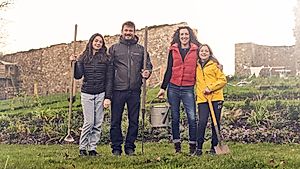
Cyfres yn dilyn Marian a Rob Evans o Lansteffan, sydd wedi prynu ty fferm gyda thir, coedwig, a chastell Normanaidd. Yn y bennod olaf ac ar ol dwy flynedd o aros, mi gewn ni weld y briodas gyntaf swyddogol yn y castell. Hefyd, mae Ffion a Catrin yn cael blas ar gadw gwenyn, ac fe gewn ni weld beth yw cynlluniau Marian ar gyfer y dyfodol gyda'r fferm a'u busnesau.
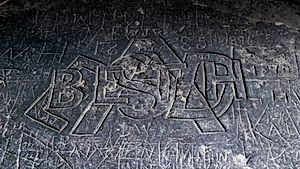
Cyfres newydd sy'n mynd â ni i ganol cymuned chwarelyddol Bethesda - cymuned glos Gymreig. Yn y rhaglen olaf cawn gwrdd â Carrie Rimes - dynes busnes sy'n dechrau ar fenter newydd gyffrous yn yr ardal wrth iddi droi'r hen eglwys babyddol yn laethdy i wneud caws. Hefyd cawn weld trigolion Bethesda yn dod ynghyd am gêm o bingo ac yn trafod pwysigrwydd cymuned a'u gobeithion am y dyfodol.
Wrth gamu allan o carchar Y Berwyn am yr eildro, mae Martin yn gwneud addewid iddo ei hun na fydd yn mynd yno eto. Ond does gan Gabriel ddim yr un awydd ac agwedd tuag at newid. Steve ac Elin ydy'r Swyddogion Prawf sydd yn rheoli'r ddau yn y gymuned er mwyn ceisio'u hatal rhag troseddu eto, a chadw'r cyhoedd yn ddiogel.