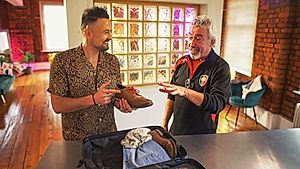
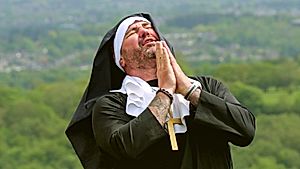
Yn y gyfres hon bydd y cyn chwaraewr rygbi rhyngwladol Scott Quinnell yn mynd ar daith ar hyd a lled Cymru, yn troi ei law at bob math o weithgareddau a phrofiadau amrywiol. Cyfle i ymarfer ei Gymraeg a dysgu geirfa newydd wrth iddo siarad hefo'r bobl leol ac ambell wyneb cyfarwydd. Ac wrth gwrs bydd personoliaeth heintus Scott yn siwr o sicrhau llond bol o hwyl yn y broses. Yr wythnos hon mae'n rhoi cynnig ar Yodlo hefo Ieuan Jones, yn Ceufadu ar yr afon Tâf yng ngwmni Rhys Pinner, ac yn my
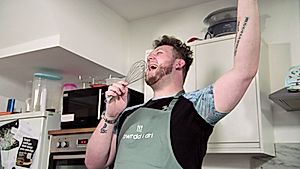
Yn y gyfres yma bydd 3 person o'r un ardal yn camu i'w ceginau i baratoi pryd o fwyd tri chwrs i'w gilydd. Fe fydd pob un o'r tri yn gyfrifol am ddewis un cwrs yr un. Ond nid nhw fydd yn paratoi na choginio y ryseit ma nhw wedi ei ddewis. Fydd na flas ar y bwyd ac ar y sgwrs rownd y bwrdd tybed' Y tro hwn, byddwn yn Nhregaron.

Mae Gwenan yn benderfynol o gadw i ffwrdd o alcohol a chyffuriau er mwyn lleihau'r tebygolrwydd o droseddu eto. Mae Tom mewn perygl o gael ei yrru yn ôl i'r llys am fethu ei apwyntiadau gwaith di-dâl. Elin a Danielle ydy'r Swyddogion Prawf sy'n rheoli'r ddau yn y gymuned er mwyn ceisio'u hatal rhag troseddu eto, a chadw'r cyhoedd yn ddiogel.
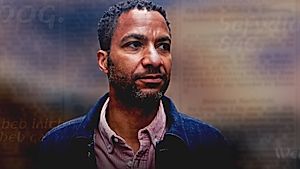
Sean Fletcher sy'n mynd ar daith bersonol i ddarganfod mwy am hanes yr iaith Gymraeg. Bydd yn darganfod sut ddatblygodd y Gymraeg o'r Frythoneg 1500 o flynyddoedd yn ôl, ac yn rhyfeddu at rai o'r esiamplau cynharaf o'r iaith. Yn ystod ei daith bydd yn cwrdd ag unigolion sydd wedi llwyddo i sicrhau bod yr iaith yn cyrraedd llwyfan y byd, yn cynnwys sgwrs arbennig gyda'r pêl-droediwr Ben Davies. Cyfres sy'n dathlu'r Gymraeg, Cymreictod a dros 1500 o flynyddoedd o hanes.