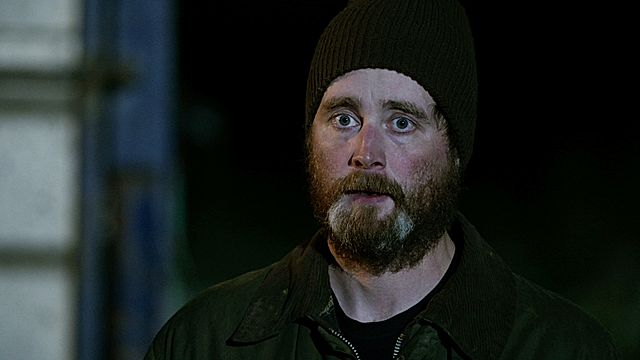
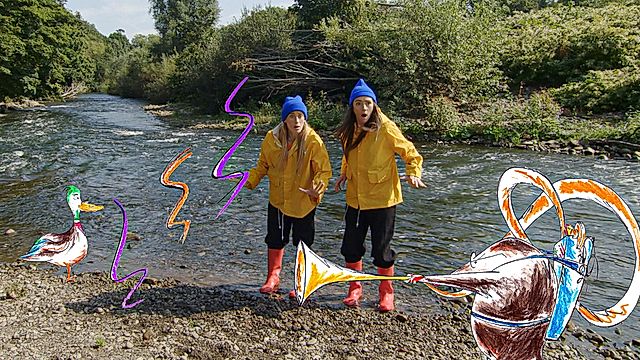
Tudur Owen and Bethan Gwanas step back into their Victorian costumes to find out more about life in Wales during the Victorian era in Byw yn ôl y Llyfr (Living by the Book).
On Wednesday, 19 January, Bethan and Tudur will learn about passionate public speaking, enjoy non-alcoholic beverages during a period of abstinence and prepare the table for an important visitor. They will be following detailed advice from Reverend Thomas Thomas's self-help manual Llyfr Pawb ar Bob Peth (A Book for Everyone About Everything) published in the period. Before all that, who's for a cup of tea?
"What sort of world would we live in without a cup of tea?" asks Bethan Gwanas, before explaining that a good cuppa was very important to the Welsh during Victorian times as well. "It's therefore not surprising that the book contains very detailed instructions on the best way to make tea," she adds. "In Victorian times, tea was a very useful social tool and the tea party, or afternoon tea, became a very important event, especially for the middle classes."
The afternoon tea party became very popular, and is a habit that continues to this day, even though it is now mostly known now as the coffee morning. Bethan joins historian Nia Powell and local Merched y Wawr members in Abersoch village hall for tea and cake, and to look at an interesting collection of antique teapots.
In Bethesda chapel in Cemaes, Tudur learns how to perform to a very different audience to the one he's used to on the comedy club circuit. He discusses the art of public speaking with the Reverend Emlyn Richards, who draws a comparison between Tudur's job in the entertainment world and that of a preacher in his pulpit.
"It's a matter of performing, a matter on winning people over at the end of the day. One man, through his personality, appealing to an audience," explains Rev Richards, who was a minister at Bethesda chapel for many years.
With the growth of Nonconformism in the Victorian period, preaching to large crowds in the open air became a regular occurrence. Instructions from Thomas Thomas in his book shows how to do so effectively, given that the preachers of the day had no microphones to assist them.
Hand in hand with the growth of Nonconformism came the Temperance and Abstinence movements. Accompanied by Dr John Davies, Tudur learns more about the organisations and their members - as well as those who chose to ignore their advice - and tries a few of Thomas Thomas's recipes for non-alcoholic cocktails.
To finish off, Bethan and Tudur learn more about the Victorians' strict etiquette rules, by learning how to set the table, and behave around it, with an expert in the field.
Close